
Medical Technology Trends Transforming Healthcare in 2026
Medical technology is transforming healthcare at an unprecedented pace. In 2026, healthcare providers are increasingly adopting artificial intelligence, robotics, telemedicine, wearable medical devices, and digital health platforms to improve patient outcomes and healthcare efficiency.
Modern medical technology enables healthcare professionals to diagnose diseases faster, monitor patients more effectively, and deliver personalized treatment plans. As healthcare systems continue to evolve, technological innovation remains central to modern healthcare delivery.
From AI-assisted diagnostics to connected healthcare devices, medical technology is reshaping how healthcare facilities operate and how patients receive care.
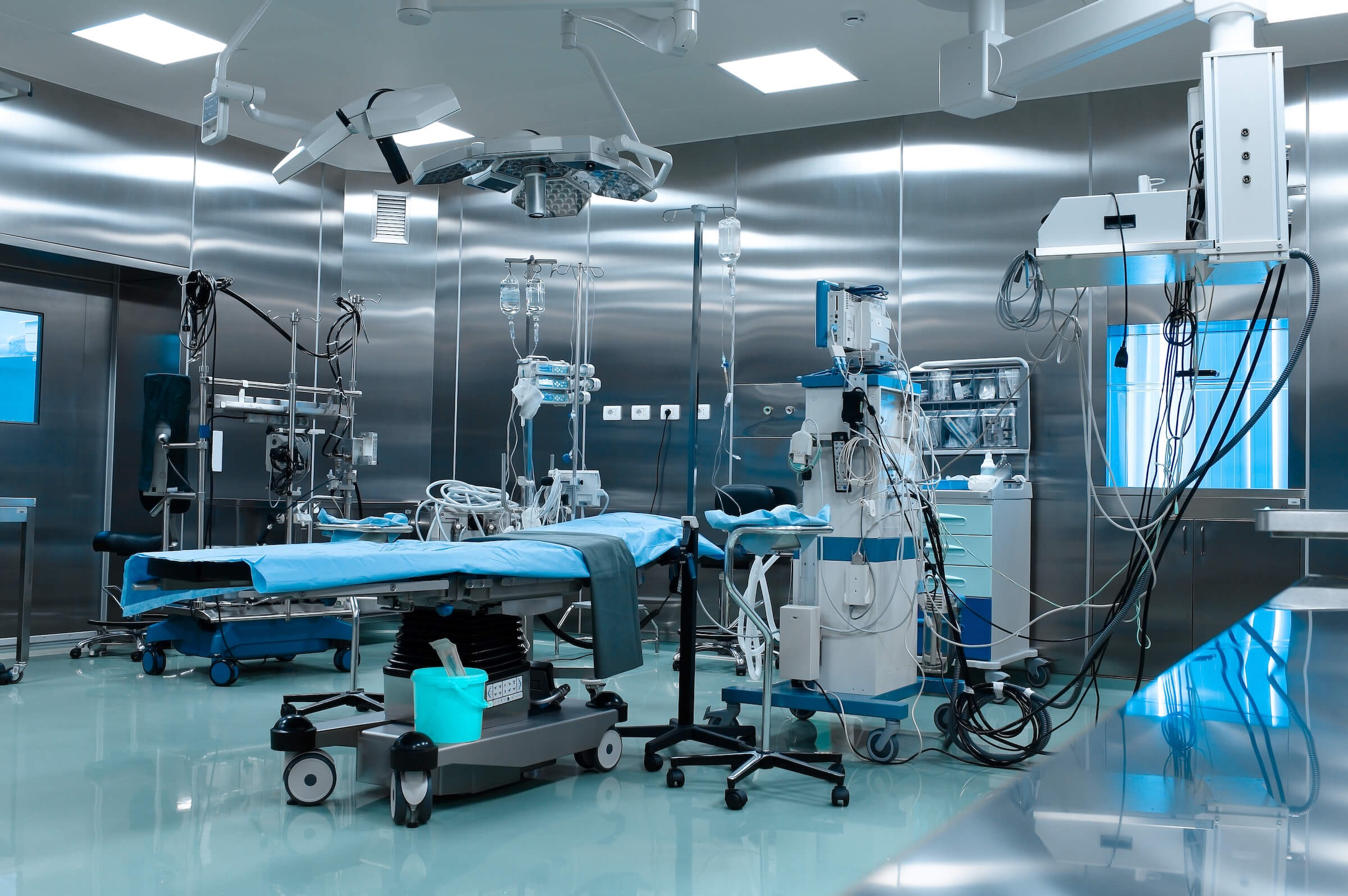
What is Medical Technology?
Medical technology refers to the use of scientific knowledge, medical devices, healthcare equipment, software systems, and digital tools designed to improve healthcare services and patient care.
Healthcare organizations use medical technology to:
- Improve diagnostics
- Support patient monitoring
- Enhance treatment planning
- Increase healthcare efficiency
- Improve clinical outcomes
- Strengthen healthcare accessibility
As technology continues to advance, healthcare facilities benefit from smarter, more integrated systems.
Why Medical Technology Matters
Healthcare providers face increasing demands for faster diagnoses, improved patient outcomes, and more efficient healthcare delivery. Medical technology helps address these challenges through innovative solutions that improve healthcare quality and operational performance.
Key benefits include:
- Improved patient care
- Faster diagnostics
- Enhanced healthcare accessibility
- Better treatment outcomes
- Reduced operational costs
- Increased healthcare efficiency
Consequently, healthcare organizations continue investing in advanced healthcare technologies to meet growing healthcare needs.
AI Diagnostics: Revolutionizing Disease Detection
Artificial intelligence is one of the most significant developments in medical technology. AI-powered diagnostic systems help healthcare professionals analyze medical data, identify abnormalities, and support clinical decision-making.
AI diagnostics are increasingly used in:
- Medical imaging
- Radiology
- Pathology
- Laboratory testing
- Disease prediction
- Clinical decision support
Benefits of AI diagnostics include:
- Faster diagnosis
- Improved accuracy
- Reduced human error
- Better patient outcomes
- Enhanced healthcare efficiency
As artificial intelligence continues to evolve, healthcare facilities will increasingly rely on AI-assisted healthcare technologies.
Robotics Transforming Healthcare
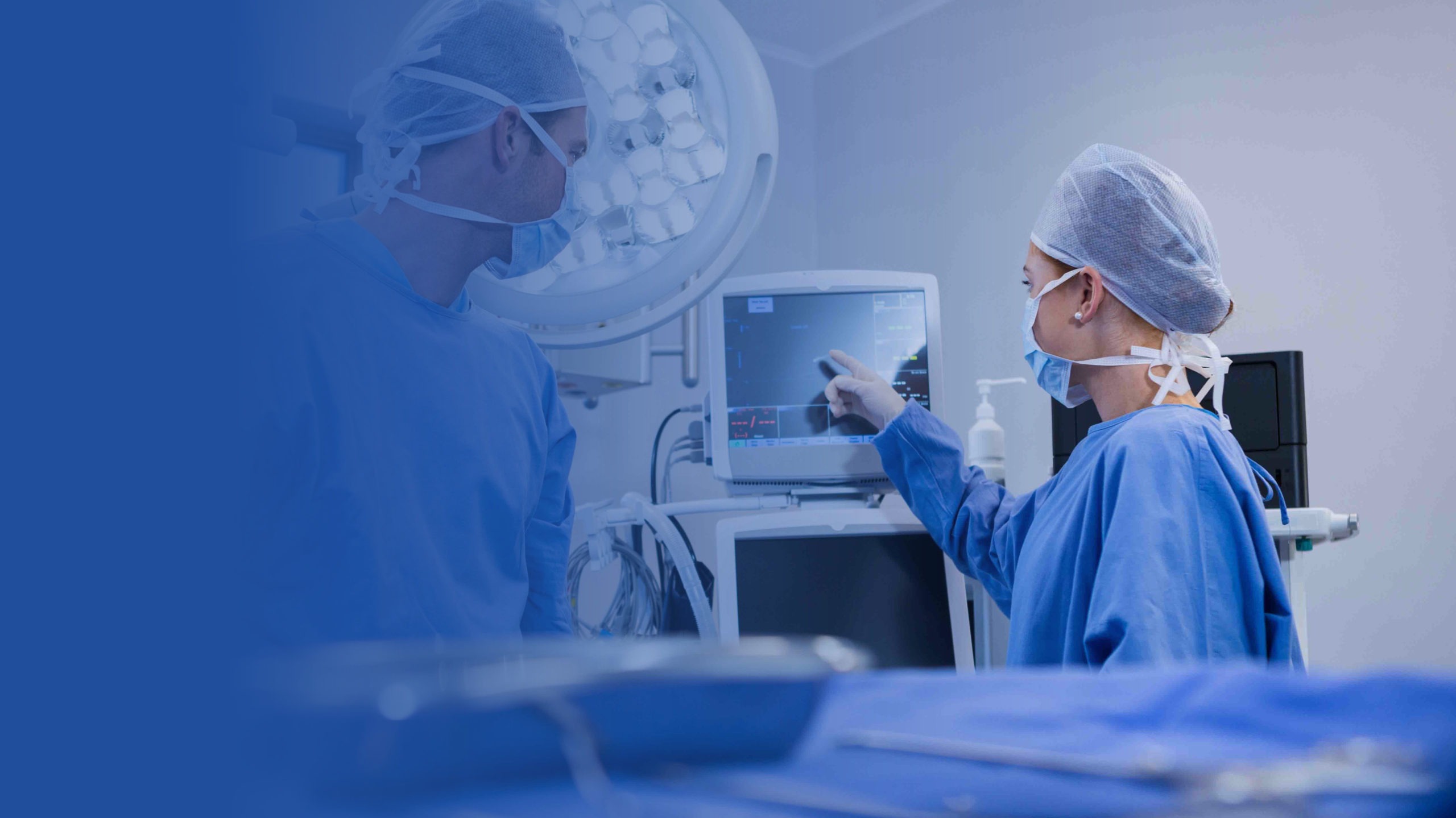
Robotics is becoming an important part of healthcare innovation. Robotic systems assist healthcare professionals with complex procedures, repetitive tasks, and patient care activities.
Healthcare robotics applications include:
- Robotic-assisted surgery
- Rehabilitation robotics
- Laboratory automation
- Medication dispensing
- Hospital logistics
Robotic surgery systems allow surgeons to perform procedures with greater precision, reduced invasiveness, and improved patient recovery times.
As robotic technology advances, healthcare facilities are expected to increase adoption across multiple healthcare functions.

Digital Health Solutions
Digital health technologies continue to improve how healthcare services are delivered and managed.
Examples of digital health solutions include:
- Electronic health records
- Mobile healthcare applications
- Healthcare analytics platforms
- Remote patient monitoring
- Cloud-based healthcare systems
Digital health technologies help healthcare providers improve communication, streamline workflows, and deliver more personalized healthcare services.
Healthcare organizations increasingly use digital health tools to improve operational efficiency and patient engagement.
Wearable Medical Devices
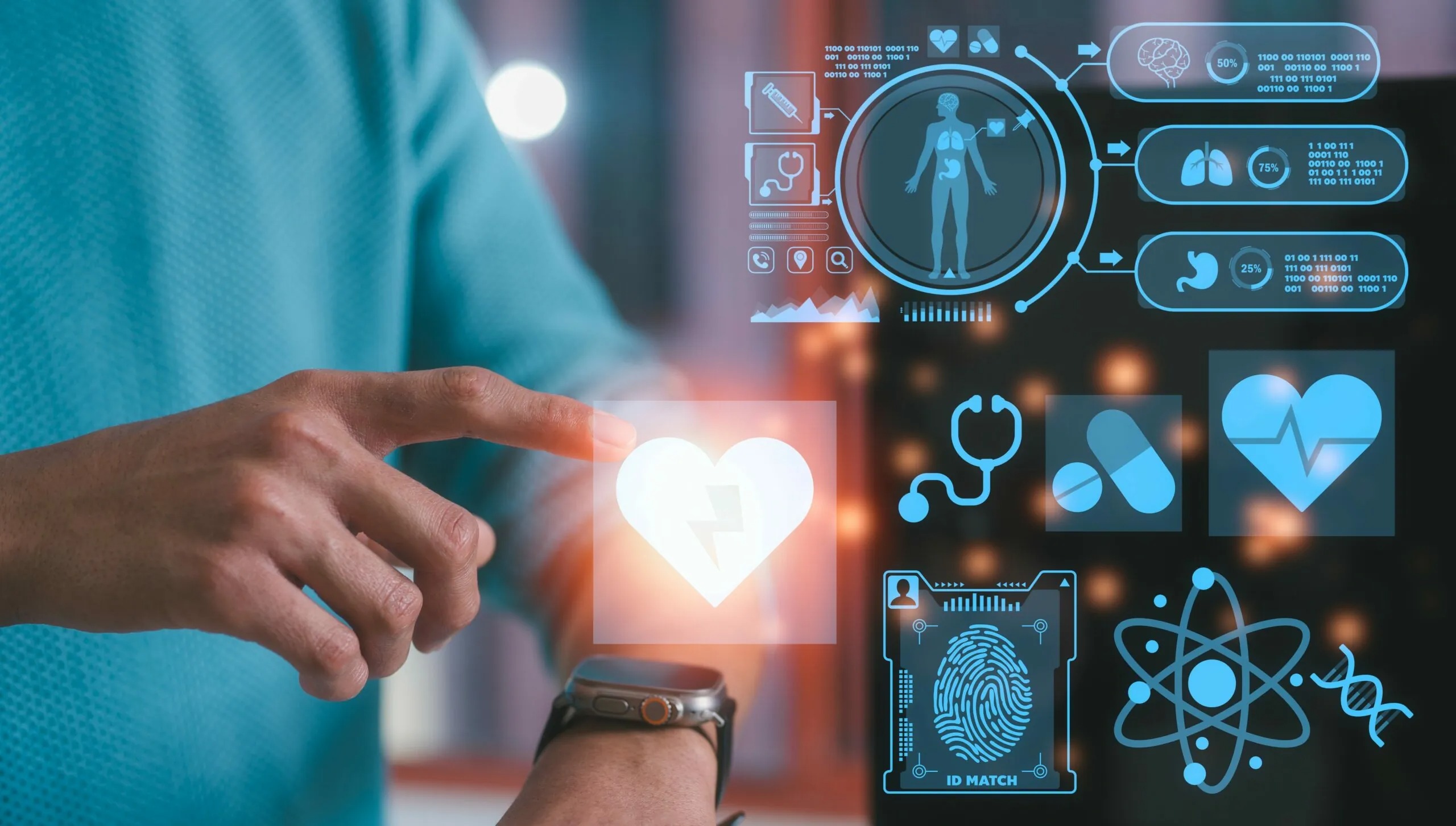
Wearable medical devices have become an important component of modern healthcare technology.
Popular wearable healthcare devices include:
- Smart blood pressure monitors
- Fitness trackers
- Heart rate monitors
- Glucose monitoring systems
- Sleep monitoring devices
These devices provide continuous health monitoring and allow healthcare professionals to track patient conditions in real time.
Benefits include:
- Improved patient engagement
- Early detection of health issues
- Better chronic disease management
- Enhanced healthcare accessibility
Wearable technology is expected to continue expanding as healthcare providers embrace preventive healthcare strategies.
Telemedicine Expanding Healthcare Access
Wearable medical devices have become an important component of modern healthcare technology.
Popular wearable healthcare devices include:
- Smart blood pressure monitors
- Fitness trackers
- Heart rate monitors
- Glucose monitoring systems
- Sleep monitoring devices
These devices provide continuous health monitoring and allow healthcare professionals to track patient conditions in real time.
Benefits include:
- Improved patient engagement
- Early detection of health issues
- Better chronic disease management
- Enhanced healthcare accessibility
Wearable technology is expected to continue expanding as healthcare providers embrace preventive healthcare strategies.
Emerging Medical Technology Trends
Several emerging technologies are expected to influence healthcare in the coming years.
These include:
Artificial Intelligence Expansion
AI systems will continue improving healthcare diagnostics and clinical decision-making.
Connected Medical Devices
Healthcare equipment will become increasingly connected through the Internet of Medical Things (IoMT).
Predictive Healthcare Analytics
Advanced analytics will help healthcare providers identify health risks earlier and improve treatment planning.
Smart Healthcare Facilities
Hospitals and clinics will integrate connected technologies to improve healthcare efficiency and patient care.
These innovations will help create more responsive and patient-centered healthcare systems.
Benefits of Medical Technology for Providers
Several emerging technologies are expected to influence healthcare in the coming years.
These include:
Artificial Intelligence Expansion
AI systems will continue improving healthcare diagnostics and clinical decision-making.
Connected Medical Devices
Healthcare equipment will become increasingly connected through the Internet of Medical Things (IoMT).
Predictive Healthcare Analytics
Advanced analytics will help healthcare providers identify health risks earlier and improve treatment planning.
Smart Healthcare Facilities
Hospitals and clinics will integrate connected technologies to improve healthcare efficiency and patient care.
These innovations will help create more responsive and patient-centered healthcare systems.
The Future of Medical Technology
Medical technology will continue transforming healthcare through innovation, automation, artificial intelligence, and connected healthcare systems.
Future healthcare environments will increasingly rely on:
- AI-powered diagnostics
- Smart healthcare devices
- Robotics
- Telemedicine platforms
- Wearable monitoring technologies
- Digital healthcare ecosystems
Healthcare organizations that embrace innovation will be better positioned to improve patient care, increase efficiency, and support long-term healthcare excellence.
Medical technology is not only changing healthcare—it is shaping the future of medicine itself.
Healthcare Technology Solutions
Premium Med Equip Inno supplies healthcare equipment, diagnostic medical equipment, patient monitoring devices, laboratory equipment, and innovative medical technologies for healthcare providers across Africa.
We support:
- Hospitals
- Clinics
- Laboratories
- Pharmacies
- NGOs
- Healthcare institutions
- Medical procurement teams
Our commitment to quality and innovation helps healthcare organizations access reliable healthcare technologies that support modern medical practice.
Request a Quote for Medical Technology
Looking for advanced healthcare equipment and medical technology solutions?
Premium Med Equip Inno supplies innovative healthcare products designed to support healthcare professionals and healthcare facilities across Africa.
👉 Contact us today for:
- Product information
- Technical specifications
- Healthcare equipment sourcing
- Bulk procurement support
- Product availability
- Competitive pricing
FAQ
What is medical technology?
Medical technology refers to healthcare equipment, medical devices, software systems, and digital tools used to improve healthcare delivery and patient outcomes.
How is AI used in healthcare?
AI assists healthcare professionals with diagnostics, medical imaging analysis, disease prediction, and clinical decision-making.
What are wearable medical devices?
Wearable medical devices are health monitoring technologies that track vital signs and health conditions in real time.
Why is telemedicine important?
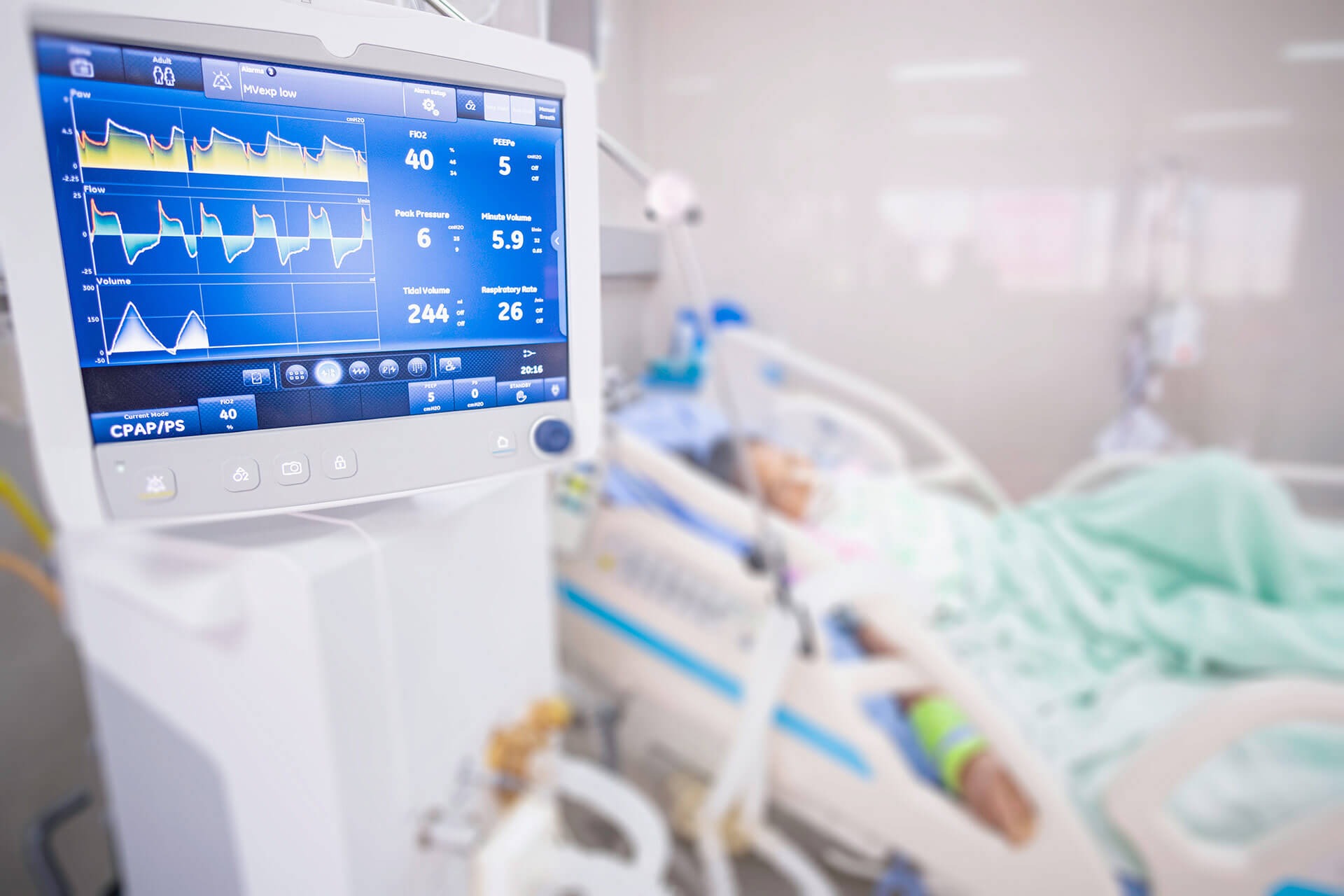
Telemedicine improves healthcare access by enabling healthcare professionals to provide remote consultations and patient monitoring.
Internal Links
- Homepage → Medical Supplies & Healthcare Equipment Supplier
- Blog → Medical Equipment Innovation: The Future of Modern Healthcare
- Blog → Diagnostic Medical Equipment Used in Modern Healthcare
- Blog → Innovative Medical Devices Improving Patient Care
- Blood Pressure Meters Category
- Contact Us Page