
Hospital Beds Buying Guide for Healthcare Facilities
Selecting the right hospital bed is one of the most important decisions for any healthcare facility. Whether you manage a hospital, private clinic, rehabilitation center, nursing home, or home healthcare service, the right hospital bed directly impacts patient comfort, caregiver efficiency, infection control, and recovery outcomes.
Modern hospital beds are designed to provide safe positioning, reduce caregiver strain, improve patient mobility, and support various medical treatments. With numerous models available, understanding the differences between manual, semi-electric, and fully electric hospital beds is essential before making a purchasing decision.
This comprehensive guide explains everything healthcare providers should consider when choosing hospital beds for their facility.
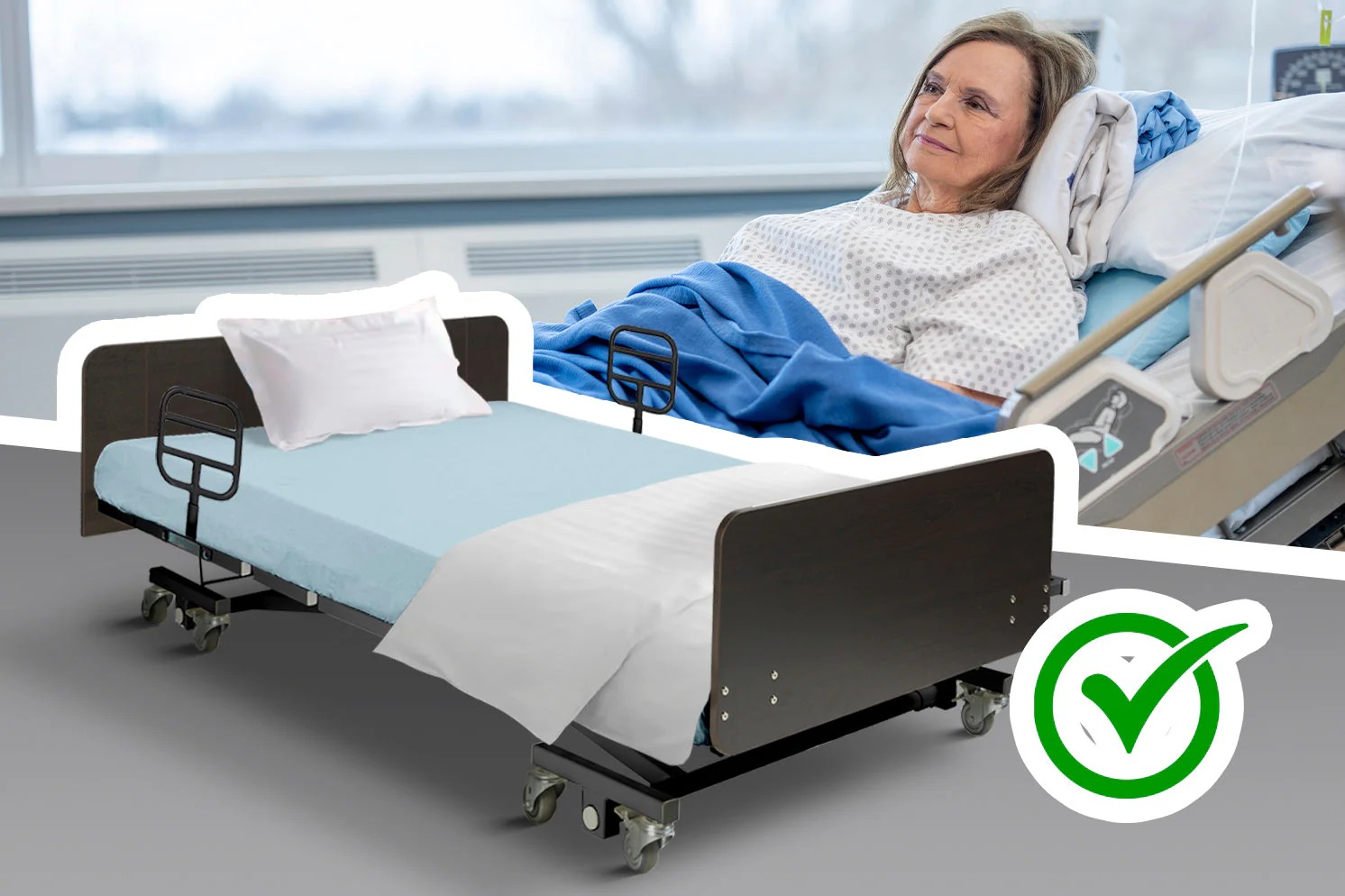
Why Hospital Beds Are Important
Unlike standard household beds, hospital beds are designed specifically for medical care. They allow patients to be positioned safely while enabling healthcare professionals to deliver treatment more efficiently.
High-quality hospital beds help:
- Improve patient comfort
- Support faster recovery
- Reduce pressure injuries
- Improve respiratory function through positioning.
- Make patient transfers easier.
- Increase caregiver safety
- Reduce physical strain on nursing staff.
- Enhance overall patient care.
Choosing the right bed contributes to better clinical outcomes and improved operational efficiency within healthcare facilities.
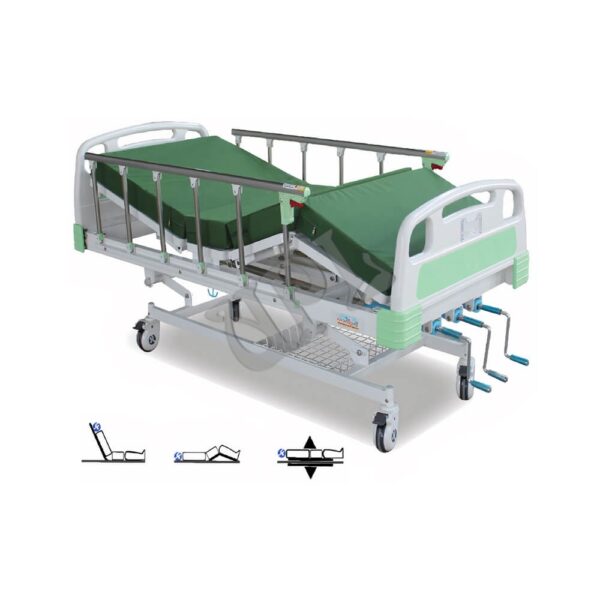

Types of Hospital Beds
Manual Hospital Beds
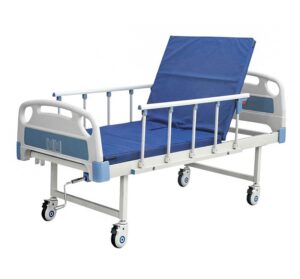
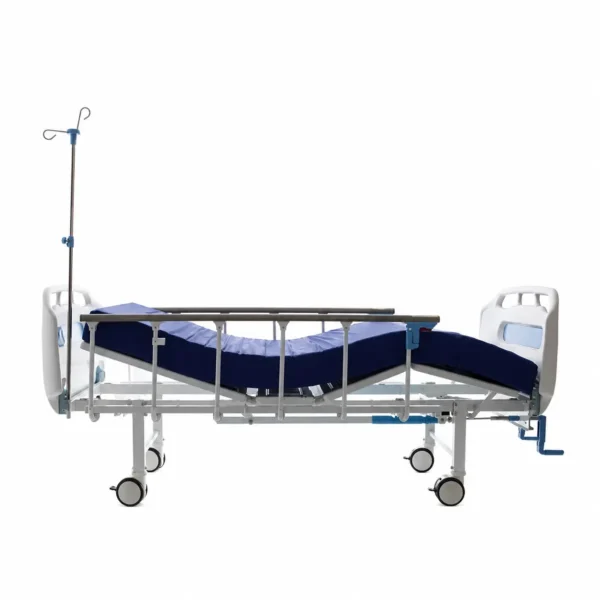
Manual hospital beds are adjusted using hand cranks to raise or lower different sections of the bed.
Best suited for:
- Small clinics
- Nursing homes
- Home healthcare
- Budget-conscious healthcare facilities
Advantages
- Lower purchase cost
- Minimal maintenance
- No electricity required
- Reliable mechanical operation
Limitations
- Requires physical effort to adjust
- Slower positioning changes
- Less convenient for caregivers
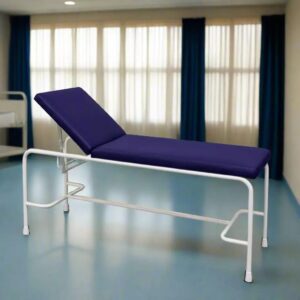
Semi-Electric Hospital Beds
Semi-electric beds combine electric controls with manual adjustment for bed height.
These beds offer increased convenience while remaining more affordable than fully electric models.
Ideal for:
- General hospital wards
- Rehabilitation centres
- Long-term care facilities
Fully Electric Hospital Beds
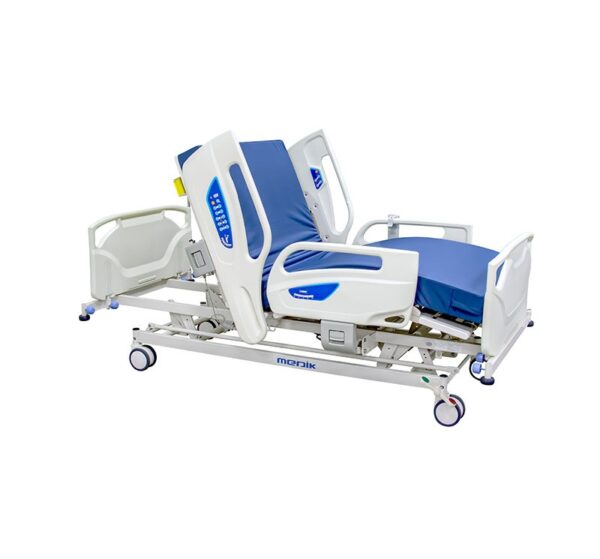
Fully electric beds allow patients and caregivers to adjust all bed positions using electronic controls.
Functions commonly include:
- Height adjustment
- Backrest elevation
- Knee elevation
- Trendelenburg positioning
- Reverse Trendelenburg positioning
These beds provide maximum comfort while reducing caregiver workload.
Recommended for:
- Intensive Care Units
- High Dependency Units
- Private Hospitals
- Specialist Medical Centers
Key Features to Consider
1. Bed Height Adjustment
Height-adjustable beds improve patient transfers while reducing strain on healthcare workers.
Benefits include:
- Easier wheelchair transfers
- Improved patient independence
- Better ergonomics for nursing staff
- Reduced fall risk
2. Backrest Adjustment
Adjustable backrests assist patients during:
- Eating
- Reading
- Watching television
- Respiratory treatment
- Recovery after surgery
Patients suffering from respiratory conditions often benefit from elevated head positioning.
3. Knee Elevation
Knee elevation helps improve comfort while reducing pressure on the lower back.
It is especially beneficial for:
- Orthopaedic patients
- Vascular patients
- Long-term care patients
4. Side Rails
Hospital side rails help prevent accidental falls while assisting patients during repositioning.
Look for:
- Fold-down rails
- Locking mechanisms
- Smooth operation
- Durable construction
5. Castor Wheels
High-quality medical castors provide:
- Easy transportation
- Smooth movement
- Reliable braking
- Enhanced safety
Central braking systems improve stability during patient care.
6. Weight Capacity
Always verify the safe working load.
Consider:
- Standard patients
- Bariatric patients
- Medical equipment is attached to the bed.
Higher weight capacities increase versatility.
7. Mattress Compatibility
Hospital beds perform best when paired with appropriate medical mattresses.
Popular options include:
- Foam mattresses
- Pressure-relief mattresses
- Alternating air mattresses
- Bariatric mattresses
Selecting the correct mattress helps prevent pressure ulcers while improving comfort.
Choosing Hospital Beds by Healthcare Facility
Hospitals
Hospitals typically require:
- Fully electric beds
- Central braking systems
- IV pole compatibility
- CPR release functions
- Trendelenburg positioning
Private Clinics
Private clinics often benefit from:
- Manual hospital beds
- Semi-electric beds
- Easy cleaning surfaces
- Reliable construction
Rehabilitation Centres
Patients recovering from surgery or injury benefit from beds with:
- Multiple positioning options
- Comfortable mattresses
- Easy patient transfers
- Adjustable height
Nursing Homes
Long-term care facilities require beds that offer:
- Patient comfort
- Safety rails
- Durable construction
- Low maintenance
Home Healthcare
For home use, important considerations include:
- Compact size
- Quiet operation
- Easy controls
- Affordable pricing
Manual hospital beds remain popular for home care due to their simplicity and reliability.
Infection Control Considerations
Hospital beds should support effective infection prevention.
Look for:
- Smooth surfaces
- Easy-to-clean materials
- Rust-resistant coatings
- Sealed electrical components
- Antimicrobial finishes were available.
Regular cleaning extends equipment life while improving patient safety.
Safety Features
Modern hospital beds should include:
- Lockable castors
- Secure side rails
- Emergency CPR release
- Electrical safety protection
- Overload protection
- Stable frame construction
Safety features help reduce accidents while improving confidence for both patients and caregivers.
Accessories Worth Considering
Additional accessories improve functionality.
Common accessories include:
- IV poles
- Bedside lockers
- Overbed tables
- Pressure-relief mattresses
- Patient lifting poles
- Oxygen cylinder holders
- Bed extension kits
Maintenance Tips
Proper maintenance extends equipment lifespan.
Recommendations include:
- Inspect moving parts regularly.
- Test braking systems.
- Clean the frame after every patient discharge.
- Lubricate mechanical components as recommended.
- Check electrical controls periodically.
- Replace worn mattresses promptly.
Preventive maintenance reduces downtime and improves patient safety.
Contact us for Maintenance and service
Why Buy from Premium Medical Equipment Innovations?
Premium Medical Equipment Innovations supplies high-quality hospital furniture and medical equipment to healthcare facilities throughout South Africa and Africa.
Our range includes:
- Manual Hospital Beds
- Electric Hospital Beds
- Hospital Mattresses
- Emergency Trolleys
- Bedside Lockers
- Overbed Tables
- Examination Couches
- Mobility Equipment
- Rehabilitation Equipment
We serve:
- Government Hospitals
- Private Hospitals
- Clinics
- Rehabilitation Centres
- Nursing Homes
- Home Healthcare Providers
- Medical Procurement Companies
Every product is selected to deliver durability, reliability, and long-term value for healthcare professionals.
Frequently Asked Questions
What type of hospital bed is best?
The ideal bed depends on your facility, patient needs, available budget, and required clinical features. Fully electric beds provide the greatest flexibility, while manual beds remain a practical solution for many clinics and home care settings.
Are manual hospital beds still used?
Yes. Manual hospital beds remain widely used in clinics, nursing homes, rehabilitation centers, and home healthcare settings because they are reliable, cost-effective, and do not require electricity.
How often should hospital beds be serviced?
Hospital beds should be inspected regularly according to the manufacturer's recommendations, with routine maintenance performed to ensure safe operation and extend service life.
What mattress should be used with a hospital bed?
The appropriate mattress depends on the patient's condition. Foam, pressure-relief, alternating air, and bariatric mattresses are commonly used in healthcare settings to improve comfort and reduce the risk of pressure injuries.
Conclusion
Choosing the right hospital bed is an investment in patient safety, caregiver efficiency, and healthcare quality. By carefully evaluating bed type, adjustability, safety features, weight capacity, mattress compatibility, and long-term maintenance requirements, healthcare facilities can provide better care while improving operational efficiency.
Whether you operate a hospital, clinic, rehabilitation center, or home healthcare service, selecting reliable, high-quality hospital beds ensures greater comfort, enhanced recovery, and dependable performance for years to come.