
Medical Devices: Types, Applications, and Benefits
Medical devices are essential tools used throughout the healthcare industry to diagnose, monitor, prevent, and treat medical conditions. Hospitals, clinics, laboratories, healthcare institutions, and medical professionals rely on medical devices to improve patient outcomes, increase diagnostic accuracy, and support efficient healthcare delivery.
From simple blood pressure monitors to advanced diagnostic systems and patient monitoring equipment, medical devices play a critical role in modern healthcare. As healthcare technology continues to evolve, medical devices are becoming smarter, more accurate, and increasingly connected.
Today, medical devices help healthcare providers deliver safer, faster, and more effective patient care across a wide range of healthcare environments.
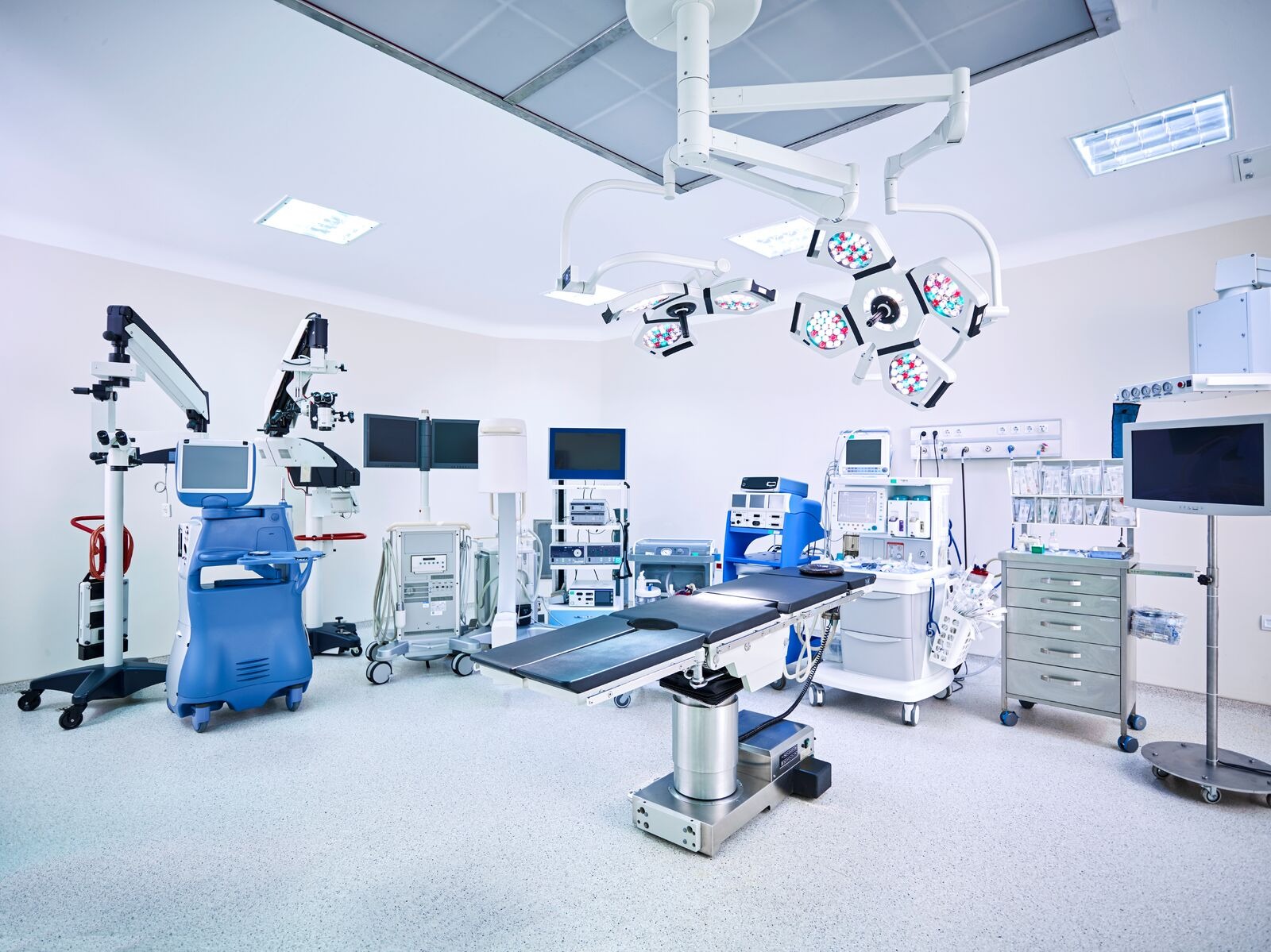
What Are Medical Devices?
Medical devices are instruments, machines, equipment, software systems, or technologies used for medical purposes such as diagnosis, monitoring, treatment, prevention, or rehabilitation.
Healthcare professionals use medical devices to:
- Diagnose diseases
- Monitor patient health
- Support medical treatments
- Improve patient safety
- Enhance healthcare efficiency
- Assist clinical decision-making
Medical devices are found in hospitals, clinics, laboratories, pharmacies, research facilities, and home healthcare environments.
Why Medical Devices Are Important
Medical devices support nearly every aspect of healthcare delivery. Without reliable medical equipment, healthcare providers would struggle to diagnose conditions accurately and provide effective treatments.
Medical devices help:
- Improve patient outcomes
- Support accurate diagnosis
- Enhance patient monitoring
- Increase healthcare efficiency
- Reduce healthcare risks
- Improve treatment effectiveness
As a result, healthcare facilities continue investing in advanced medical technologies to improve healthcare quality.
Types of Medical Devices
Diagnostic Medical Devices
Diagnostic devices help healthcare professionals identify diseases and medical conditions.
Examples include:
- Blood pressure monitors
- Ultrasound systems
- Laboratory analyzers
- Diagnostic imaging equipment
- Laboratory centrifuges
These devices support early detection and accurate diagnosis.
👉 Related Article: Diagnostic Medical Equipment Used in Modern Healthcare
Patient Monitoring Devices
Patient monitoring systems continuously track patient health information.
Common monitoring devices include:
- Cardiac monitors
- Blood pressure monitors
- Pulse oximeters
- Respiratory monitoring systems
- Temperature monitoring devices
These technologies help healthcare professionals monitor patient conditions in real time.
Therapeutic Medical Devices
Therapeutic devices assist in treatment and patient recovery.
Examples include:
- Infusion pumps
- Rehabilitation equipment
- Respiratory therapy devices
- Physical therapy equipment
These devices support healthcare providers in delivering effective treatment plans.
Laboratory Medical Devices
Laboratories depend on specialized medical devices to analyze samples and perform diagnostic testing.
Examples include:
- Centrifuges
- Laboratory analyzers
- Blood testing equipment
- Diagnostic testing systems
Laboratory devices help healthcare facilities maintain accurate and reliable diagnostic services.
Applications of Medical Devices
Medical devices are used across multiple healthcare sectors.
Hospitals
Hospitals use medical devices for diagnosis, monitoring, treatment, and patient care.
Clinics
Clinics rely on medical devices for routine examinations and preventive healthcare.
Laboratories
Laboratories use diagnostic devices and testing equipment to support healthcare services.
Pharmacies
Many pharmacies use healthcare monitoring devices and screening equipment.
Home Healthcare
Patients increasingly use medical devices at home to monitor chronic conditions and improve healthcare management.
Benefits of Modern Medical Devices
Modern medical devices provide significant advantages for healthcare providers and patients.
Improved Diagnostic Accuracy
Healthcare professionals can identify diseases and health conditions more effectively.
Better Patient Monitoring
Continuous monitoring devices provide real-time patient information.
Enhanced Patient Safety
Advanced medical devices include features that help reduce medical errors.
Increased Healthcare Efficiency
Healthcare facilities can improve workflows and productivity through automation and digital healthcare technologies.
Consequently, medical devices remain one of the most important investments for healthcare organizations.
Medical Devices and Healthcare Technology
Healthcare technology continues to drive innovation in medical devices.
Recent advancements include:
- Artificial intelligence diagnostics
- Remote patient monitoring
- Digital healthcare platforms
- Connected healthcare systems
- Smart medical devices
These technologies help healthcare professionals improve patient care and operational efficiency.
👉 Related Article: Medical Technology Trends Transforming Healthcare in 2026
Innovative Medical Devices Transforming Healthcare
Innovative medical devices continue to improve healthcare delivery by providing advanced monitoring, diagnostics, and treatment capabilities.
Examples include:
- Wearable health monitors
- Smart blood pressure monitors
- Connected diagnostic equipment
- AI-assisted medical devices
- Remote monitoring systems
These innovations support personalized healthcare and improved patient outcomes.
 Related Article: Innovative Medical Devices Improving Patient Care
Choosing Medical Devices for Healthcare Facilities
Healthcare organizations should evaluate several factors when selecting medical devices.
Important considerations include:
- Product quality
- Reliability
- Regulatory compliance
- Technical support
- Ease of operation
- Clinical application requirements
- Long-term value
Working with trusted medical equipment suppliers helps healthcare organizations access dependable healthcare solutions.
Future of Medical Devices
Medical devices continue evolving through healthcare innovation and technological advancement.
Future developments are expected in:
- Artificial intelligence integration
- Wearable healthcare technology
- Remote patient monitoring
- Smart healthcare systems
- Connected medical devices
- Predictive healthcare analytics
These innovations will help healthcare providers deliver more efficient, patient-centered care.
Why Choose Premium Med Equip Inno?
Premium Med Equip Inno supplies medical devices, diagnostic equipment, patient monitoring systems, laboratory equipment, and healthcare technology solutions for healthcare providers across Africa.
We support:
- Hospitals
- Clinics
- Laboratories
- Healthcare institutions
- Pharmacies
- NGOs
- Medical procurement teams
Our commitment to quality and innovation helps healthcare facilities access reliable medical technologies that support modern healthcare delivery.
Request a Quote
Looking for quality medical devices for your healthcare facility?
Premium Med Equip Inno supplies healthcare equipment designed to support diagnostics, patient monitoring, treatment, and healthcare excellence.
- Product information
- Technical specifications
- Equipment sourcing
- Bulk procurement support
- Product availability
- Competitive pricing
FAQ
What are medical devices?
Medical devices are instruments, equipment, machines, and technologies used to diagnose, monitor, prevent, or treat medical conditions.
What are examples of medical devices?
Examples include blood pressure monitors, patient monitoring systems, laboratory centrifuges, diagnostic analyzers, and imaging equipment.
Why are medical devices important?
Medical devices improve diagnosis, patient monitoring, treatment effectiveness, healthcare efficiency, and patient outcomes.
How do medical devices improve healthcare?
Medical devices support healthcare professionals by providing accurate information, improving monitoring capabilities, and enhancing patient care.