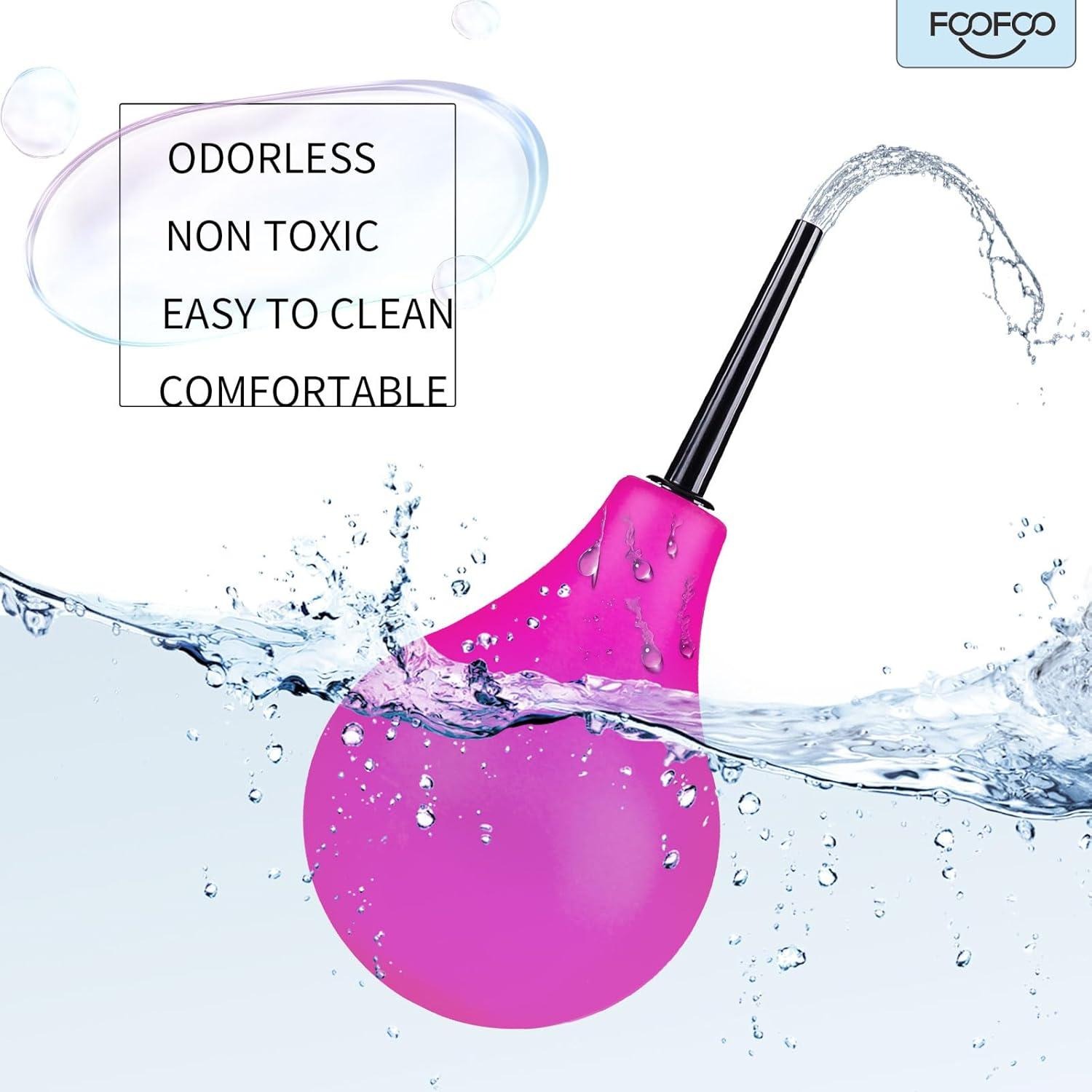
Enema Size Guide: Small, Medium and Large Enema Syringes
Choosing the right enema size can be confusing because enema products are available in different capacities, designs and formulations. You may see products described as small, medium or large, while others are identified by their exact fluid capacity in millilitres.
However, enema size is not simply a matter of choosing the largest available syringe. The appropriate product depends on factors such as the type of enema, intended application, formulation, patient characteristics and manufacturer's instructions.
Enemas are used in healthcare for several purposes, including bowel evacuation, administration of certain medicines, and some diagnostic applications. They involve introducing a liquid substance into the rectum.
This guide explains what enema size means, the difference between small, medium, and large enema syringes, and what healthcare buyers should consider when selecting an enema product.
What Does Enema Size Mean?
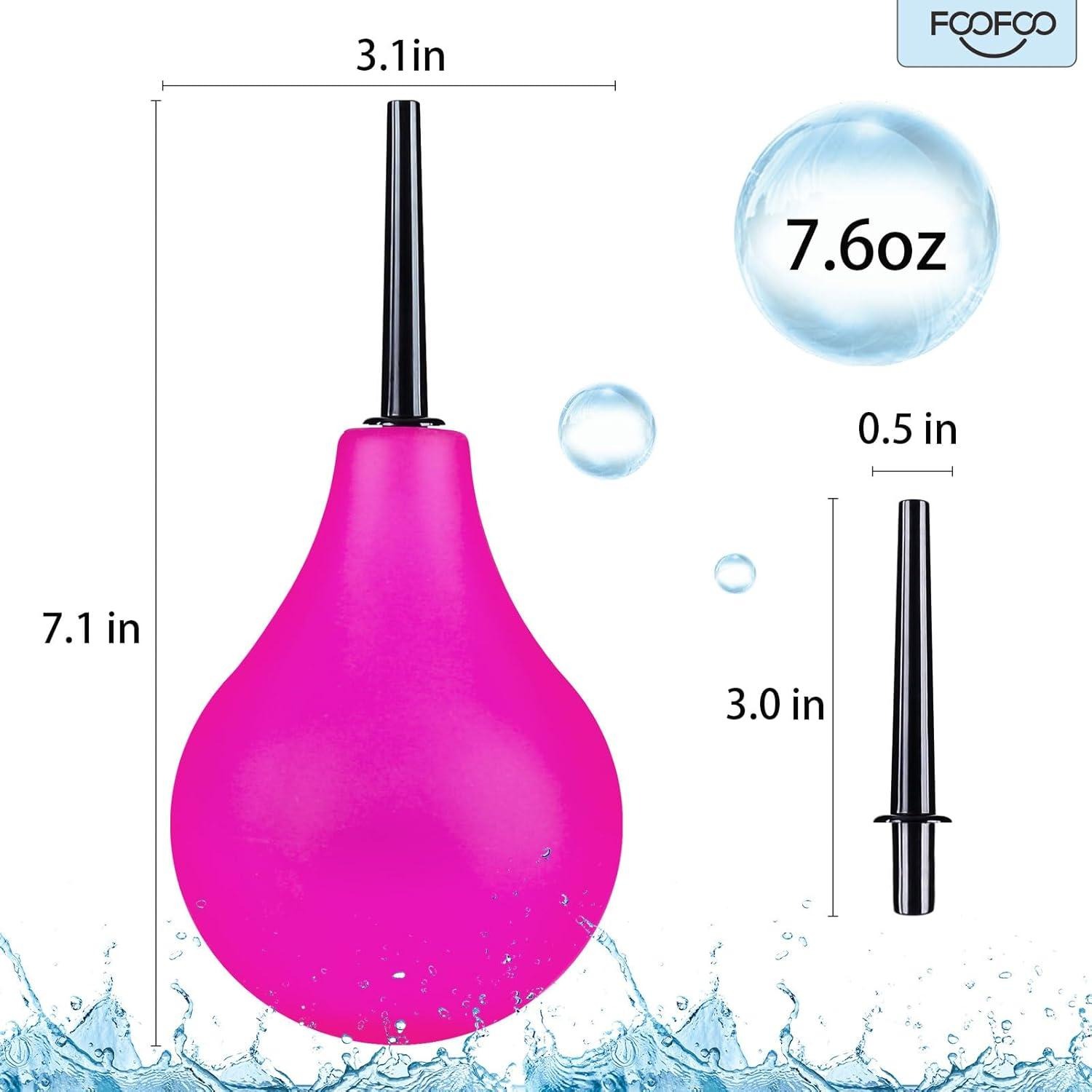
The term enema size can refer to several different characteristics of an enema product.
Most commonly, it refers to:
- Fluid capacity of the enema syringe or container
- Physical size of the syringe
- Small, medium, or large manufacturer designation
- Size of the delivery system or associated components
For buyers, the most useful measurement is normally the capacity stated in millilitres (mL).
A product described simply as "large" does not necessarily have the same capacity as another manufacturer's large enema syringe.
For that reason, buyers should check the actual product specification whenever the capacity is important.
What Are the Different Enema Sizes?
Enema syringes may be sold in small, medium, and large sizes, depending on the manufacturer.
Small Enema Syringe
A small enema syringe is the most compact option within a particular manufacturer's product range.
Small syringes may be useful where a lower-capacity delivery device is required, but the word small should not be interpreted as a specific medical dose.
Always check the manufacturer's stated capacity.
Medium Enema Syringe
A medium enema syringe provides an intermediate size between the smaller and larger versions of the same product.
This can be a practical general-purpose option where the manufacturer's medium capacity meets the intended clinical or patient-care requirement.
Large Enema Syringe
A large enema syringe provides greater capacity than the smaller models within the same product range.
However, a larger syringe does not mean that a larger volume should necessarily be administered.
The appropriate volume depends on the specific procedure, product, and patient requirements.
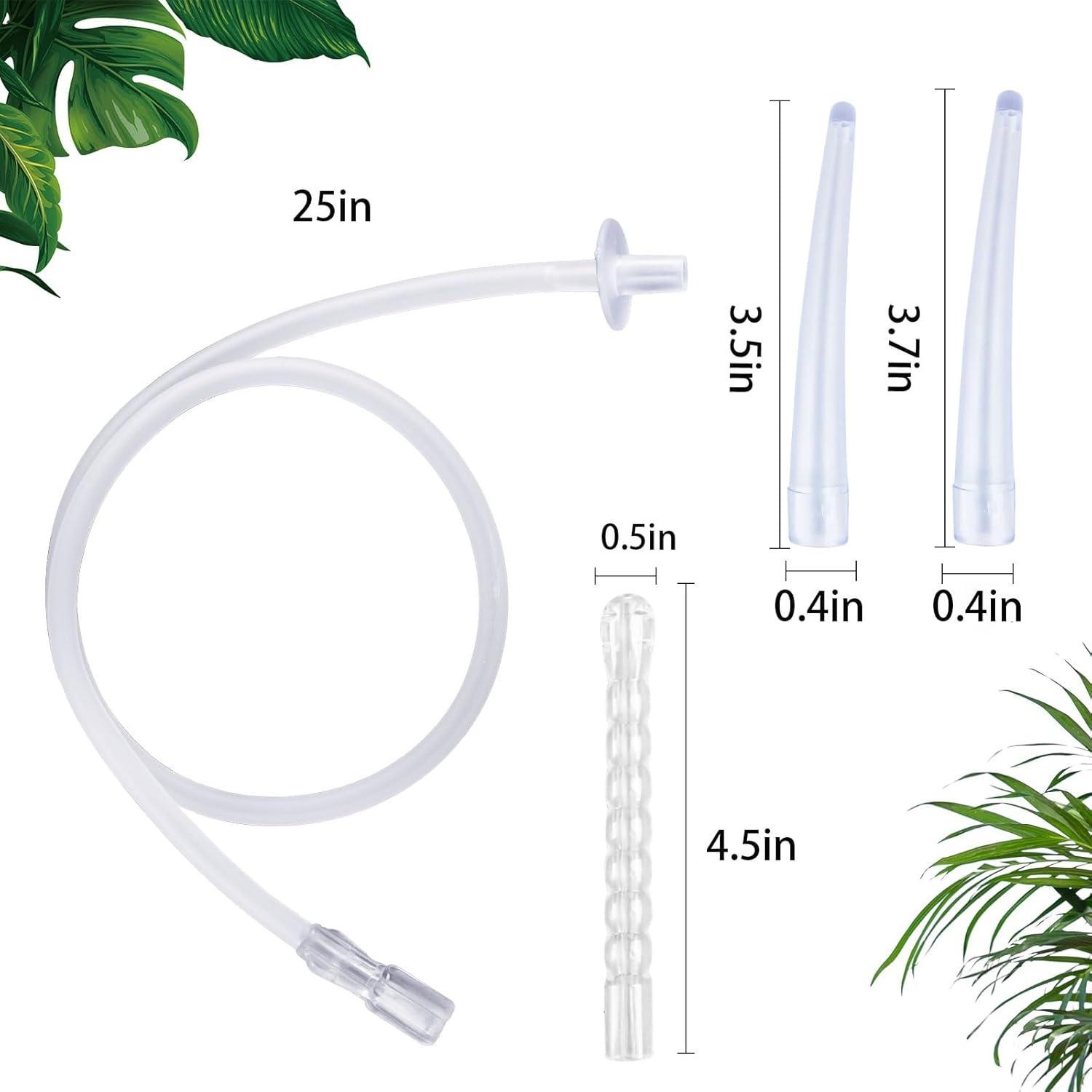

Enema Syringe for Bowel Cleansing and Irrigation
Enemas may be used for bowel evacuation in selected clinical circumstances. They can help soften or facilitate evacuation of stool in the rectum, but evidence supporting routine enema use for constipation is limited.
Clinical guidelines therefore generally approach enemas as one component of bowel management rather than something that should automatically be used whenever constipation occurs.
This distinction is important for medical-equipment websites: an enema syringe should be presented as medical or patient-care equipment, not as a guarantee of treatment success.
Are Larger Enemas Better?
No.
A larger enema is not automatically better or more effective.
Clinical literature specifically notes that the volume and rate of fluid administration need to be appropriate. Excessive or inappropriate administration can increase discomfort and potentially contribute to complications.
The correct approach is therefore to select an appropriately specified product rather than simply choosing the largest available enema syringe.
Small vs Large Enema Syringe
The fundamental difference is capacity, although dimensions and construction may also vary by manufacturer.
| Lower capacity | Higher capacity |
| More compact | Larger reservoir |
| Intended use depends on the manufacturer | Intended use depends on the manufacturer |
| Does not define dosage | Does not define dosage |
| Check exact mL capacity | Check exact mL capacity |
Neither should automatically be described as more effective.
The appropriate choice depends on the intended application.
Enema Safety Considerations
Enemas should be used appropriately because complications can occur.
Published clinical guidance identifies potential adverse events, including rectal mucosal injury and electrolyte disturbances, with particular concerns associated with some phosphate-containing enemas. Mechanical injury from the device tip has also been reported.
Healthcare professionals should therefore follow:
- Manufacturer instructions
- Applicable clinical protocols
- Appropriate infection-control procedures
- Patient-specific clinical requirements
Patients should not use product-size information on a commercial website as a substitute for professional medical advice.
Enema Sizes for Children
This deserves particular caution.
There is no safe rule such as simply choosing a "small enema" for every child.
Paediatric recommendations can depend on age, weight, formulation and indication. For example, clinical references specify age-dependent volumes for certain sodium-phosphate products and advise against their use in children under two years; NICE guidance also restricts rectal medication for childhood disimpaction and reserves phosphate enemas for specialist supervision after other approaches have failed.
For this reason, paediatric enema selection and administration should follow appropriate professional guidance.
Small, Medium and Large Enema Syringes
Premium Medical Equipment Innovations supplies an Enema Syringe available in Small, medium, and Large sizes.
Frequently Asked Questions About Enema Size
What size enema should I use?
There is no single appropriate size for every situation. Selection depends on the product, formulation, intended application, patient factors, and manufacturer or healthcare-professional instructions.
What are the common enema syringe sizes?
Enema syringes can be sold in small, medium, and large sizes, although the actual capacity represented by these labels varies by manufacturer.
What is a large enema size?
"Large" generally means the highest-capacity version within a manufacturer's particular product range. The exact capacity should be checked in millilitres.
What is a small enema size?
A small enema syringe is a lower-capacity version within a particular product range. The term does not represent a universal medical dosage.
Is enema size measured in mL?
Fluid capacity is commonly expressed in millilitres (mL). This is more useful than relying only on small, medium, or large labels.
Is the enema syringe size the same as the enema volume?
Not exactly. Syringe size describes the device's capacity, while enema volume refers to the amount of solution being administered.
Is a bigger enema more effective?
Not necessarily. Appropriate volume and administration depend on the specific procedure and patient. Larger volumes are not automatically more effective or appropriate.
What enema size is suitable for children?
Paediatric enema selection should not be based simply on a small/medium/large label. Age, weight, formulation, and clinical indication can affect recommendations, and some products have important paediatric restrictions.
Conclusion
Understanding enema size starts with recognising that small, medium, and large are product classifications rather than universal clinical standards.
The most useful specification is the device's actual capacity in millilitres, combined with information about its intended use, construction, and manufacturer instructions.
When comparing enema syringe sizes, healthcare buyers should therefore consider capacity, application, patient population, reusable or disposable construction, and applicable clinical requirements rather than simply selecting the largest option.
Premium Medical Equipment Innovations offers an Enema Syringe in Small, medium, and Large sizes for healthcare and patient-care requirements.