
Hospital Equipment Supply Africa: A Guide for Healthcare Buyers
Reliable hospital equipment supply in Africa is essential to the development and operation of hospitals, clinics, diagnostic centres, and other healthcare facilities across the continent.
From hospital beds and patient monitors to diagnostic equipment, sterilizers, surgical suction machines, and neonatal equipment, healthcare facilities require reliable access to medical technology suited to their clinical and operational needs.
For procurement teams, however, purchasing hospital equipment involves much more than finding the lowest price. Buyers need to consider product specifications, clinical applications, quality requirements, after-sales support, availability of consumables, and the long-term cost of maintaining equipment.
This guide examines the major categories of hospital equipment required by African healthcare facilities and the factors procurement teams should consider when selecting a hospital equipment supplier in Africa.
Growing Demand for Hospital Equipment in Africa
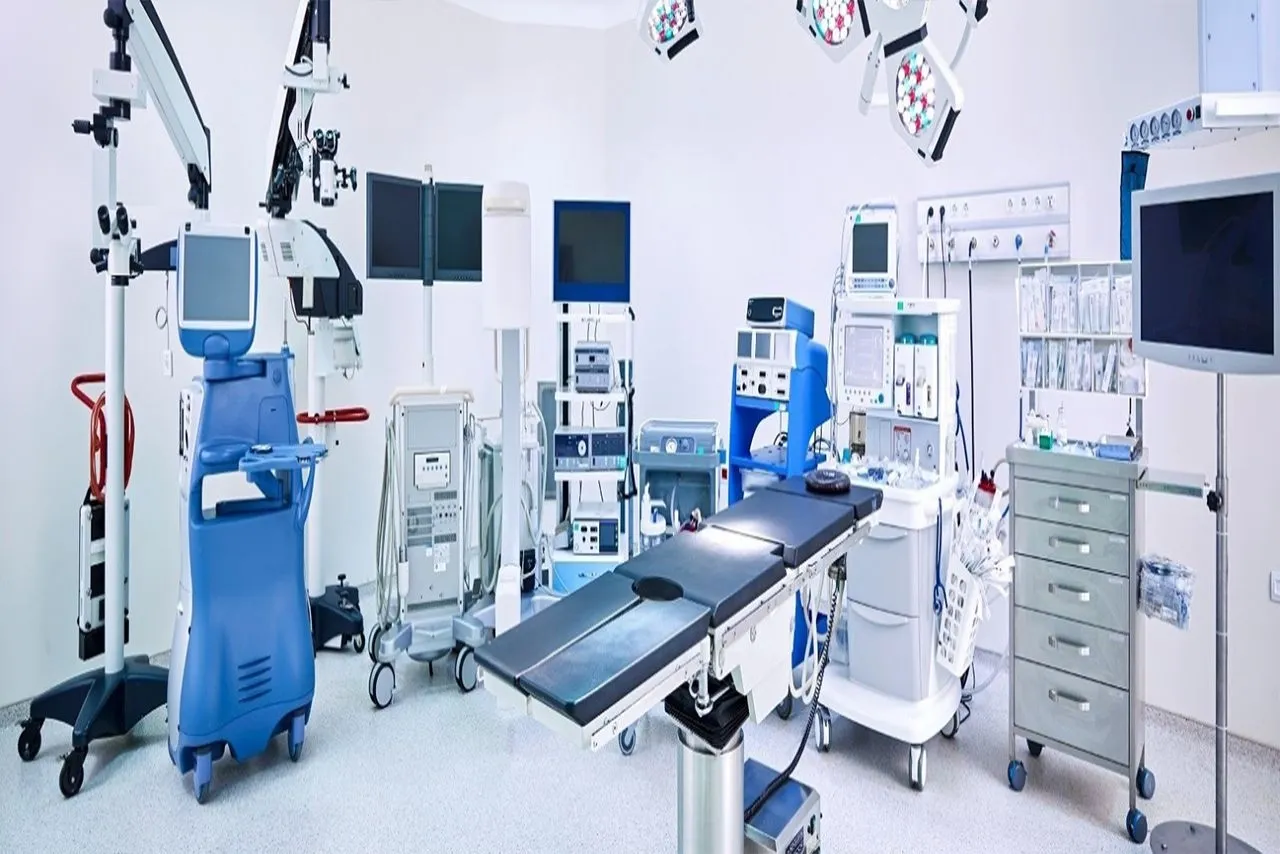
Healthcare systems across Africa serve rapidly growing populations through a mixture of public hospitals, private healthcare groups, specialist clinics, laboratories, maternity facilities and community health centres.
This creates ongoing demand for both basic medical supplies and more advanced healthcare equipment.
Hospital equipment procurement may be required for:
- New hospital developments
- Clinic expansion projects
- Replacement of ageing equipment
- Private medical practices
- Diagnostic centres
- Emergency departments
- Maternity and neonatal units
- Intensive care facilities
- Surgical departments
- Veterinary facilities
- Government healthcare programmes
- NGO and humanitarian healthcare projects
Because these facilities have very different requirements, an effective hospital equipment supply strategy needs to cover multiple product categories.
Essential Hospital Equipment Categories
A hospital may require hundreds or even thousands of individual products. However, several categories form the foundation of most medical-equipment procurement programmes.
1. Hospital Beds and Patient Furniture
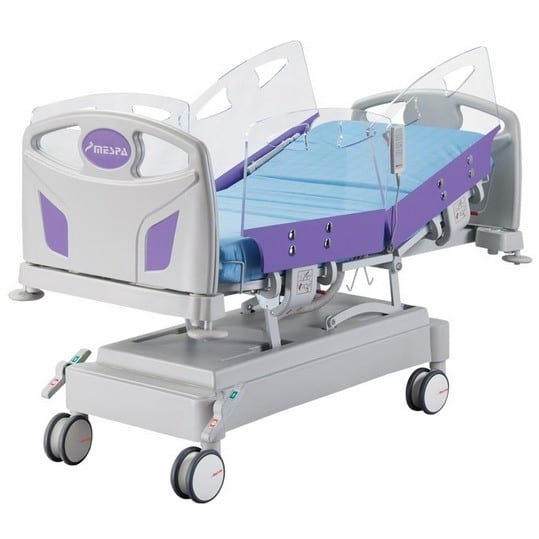
Hospital beds are among the most fundamental pieces of healthcare equipment.
Different departments may require different bed configurations, including:
- Manual hospital beds
- Electric hospital beds
- ICU beds
- Paediatric beds
- Obstetric beds
- Examination couches
- Stretchers
- Baby bassinets and cribs
Supporting furniture can include bedside cabinets, overbed tables, examination furniture, appliance cupboards, and other ward equipment.
When comparing hospital beds, buyers should consider factors such as adjustment functions, safe working load, mattress compatibility, side rails, castors, construction materials, and ease of cleaning.
2. Patient Monitoring Equipment
Modern hospitals depend heavily on continuous and intermittent patient monitoring.
Common monitoring equipment includes:
- Multiparameter patient monitors
- Pulse oximeters
- Blood pressure monitors
- ECG machines
- Ambulatory blood pressure monitors
- Capnography devices
- Temperature monitors
- Veterinary patient monitors
A multiparameter monitor may combine several measurements, such as ECG, SpO₂, non-invasive blood pressure, temperature, and respiration, depending on its configuration.
Procurement teams should verify the exact parameters included with each model rather than assuming that all patient monitors provide the same functions.
3. Blood Pressure Monitoring Equipment
Blood pressure measurement is required throughout many healthcare environments.
Equipment can range from simple manual sphygmomanometers to advanced digital and ambulatory systems.
Typical options include:
- Aneroid blood pressure monitors
- Wall-mounted BP meters
- Digital BP monitors
- Wrist blood pressure monitors
- Ambulatory blood pressure monitors
- Veterinary blood pressure monitors
- Professional clinical BP systems
Healthcare facilities should select equipment according to intended clinical use, measurement requirements, patient population, and staff workflow.
4. Diagnostic Medical Equipment
Diagnostic equipment enables healthcare professionals to assess patients and obtain information to support clinical decision-making.
Examples include:
- Stethoscopes
- Dermatoscopes
- Doppler systems
- Ultrasound machines
- ECG machines
- Blood pressure monitors
- Pulse oximeters
- Diagnostic sets
- Thermometers
- Vein finders
- Urine analysers
- Point-of-care testing equipment
The appropriate equipment depends heavily on the level of care provided by the facility.
A primary healthcare clinic will have different diagnostic requirements from a tertiary hospital or specialist diagnostic centre.
5. Ultrasound Equipment
Ultrasound systems are used across numerous medical specialties.
Depending on configuration, ultrasound equipment may be required for:
- General imaging
- Obstetrics
- Gynaecology
- Cardiology
- Vascular assessment
- Emergency medicine
- Veterinary medicine
Portable ultrasound equipment can be particularly valuable for facilities requiring mobility between departments or healthcare locations.
When purchasing ultrasound equipment, buyers should check probe compatibility, imaging modes, display characteristics, measurement capabilities, storage, connectivity, and available accessories.
6. Sterilization and Autoclave Equipment
Effective instrument reprocessing is an important component of healthcare operations.
Hospital equipment suppliers may provide sterilization equipment such as:
- Tabletop autoclaves
- Portable autoclaves
- Steam sterilizers
- Sterilization accessories
- Bowie-Dick test packs
- Sterilization trays
The correct sterilizer depends on the items being processed, the sterilization cycle required, facility workload, and applicable infection-prevention procedures.
Capacity is another major consideration. Smaller clinics may require compact table-top equipment, while larger facilities may need higher-throughput sterilization systems.
7. Surgical Suction Equipment
Suction equipment is commonly required in surgical, emergency, and other appropriate clinical environments.
Portable surgical suction machines provide a compact option where mobility is important.
When comparing suction equipment, procurement teams should consider:
- Maximum vacuum
- Air-flow capacity
- Collection-jar capacity
- Power requirements
- Portability
- Filters
- Tubing and accessories
- Cleaning requirements
- Availability of replacement components
These specifications can vary significantly between models.
8. Respiratory and Capnography Equipment
Respiratory monitoring and support equipment represent another important hospital procurement category.
Equipment can include:
- Capnography monitors
- Nebulizers
- CPAP/BiPAP systems
- Pulse oximeters
- Oxygen-related monitoring equipment
- Infant resuscitation equipment
A sidestream capnography device, for example, can provide continuous ETCO₂ monitoring by drawing a respiratory gas sample through a sampling line for analysis.
Healthcare buyers should distinguish between devices used for oxygenation monitoring and those used for ventilation monitoring, as these technologies measure different physiological parameters.
9. Neonatal and Maternity Equipment
Maternity hospitals and neonatal departments require specialised equipment designed for newborn and maternal care.
Products may include:
- T-piece resuscitators
- Baby bassinets
- Obstetric beds
- Neonatal pulse oximetry accessories
- Jaundice detectors
- Neonatal patient monitoring equipment
- Infant resuscitation equipment
When purchasing neonatal equipment, confirming the manufacturer's intended patient population is particularly important.
Equipment designed for adults should not automatically be assumed to be suitable for paediatric or neonatal patients.
10. Emergency and Patient-Transport Equipment
Hospitals also require equipment for moving patients safely between departments and treatment areas.
Common products include:
- Folding stretchers
- Emergency stretchers
- Patient trolleys
- Wheelchairs
- Walking aids
- Transfer equipment
Important purchasing considerations include dimensions, weight capacity, construction material, folding mechanism, castors, and ease of cleaning.
Medical Consumables and Everyday Hospital Supplies
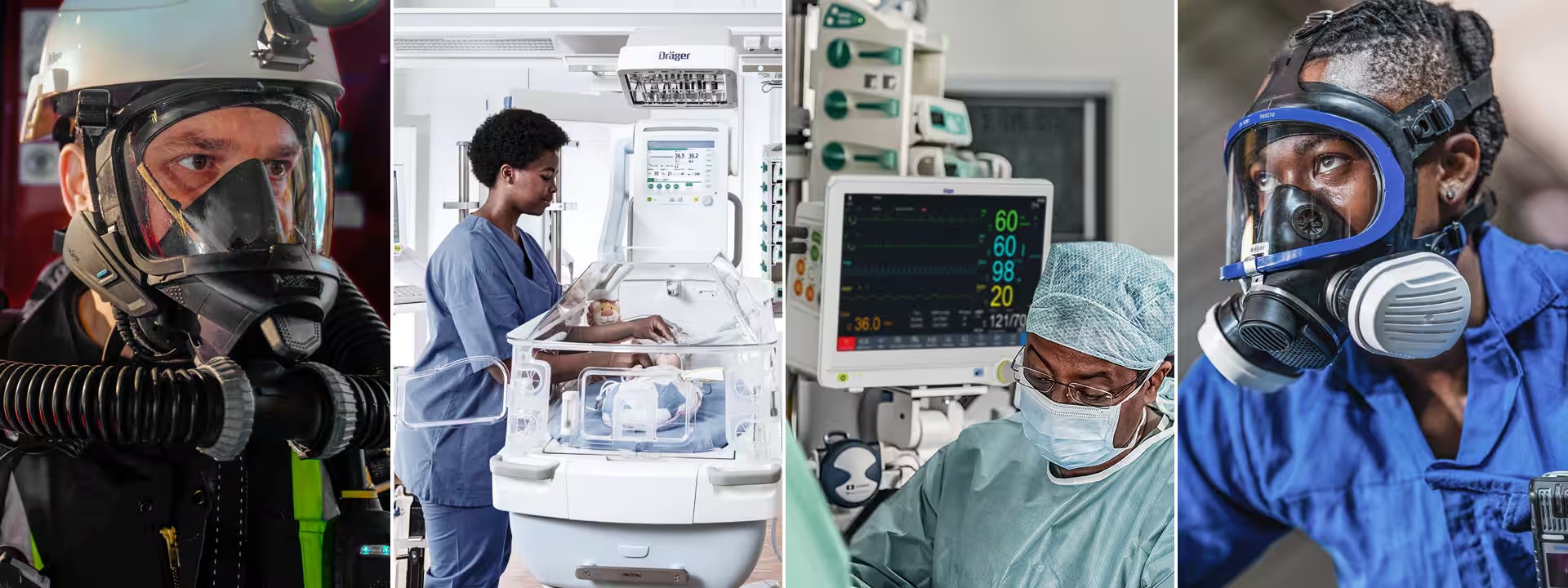
Large medical devices represent only one part of hospital procurement.
Healthcare facilities continuously consume smaller products such as:
- Alcohol swabs
- Antiseptic solutions
- Diagnostic test kits
- Syringes
- Dressings
- Examination supplies
- Disposable accessories
- Monitoring consumables
Reliable medical supplies in Africa therefore require a procurement strategy that addresses both capital equipment and frequently replenished consumables.
A sophisticated monitor is of little practical value if compatible sensors, cables, or other necessary accessories cannot be obtained when replacements are required.
How to Choose a Hospital Equipment Supplier in Africa
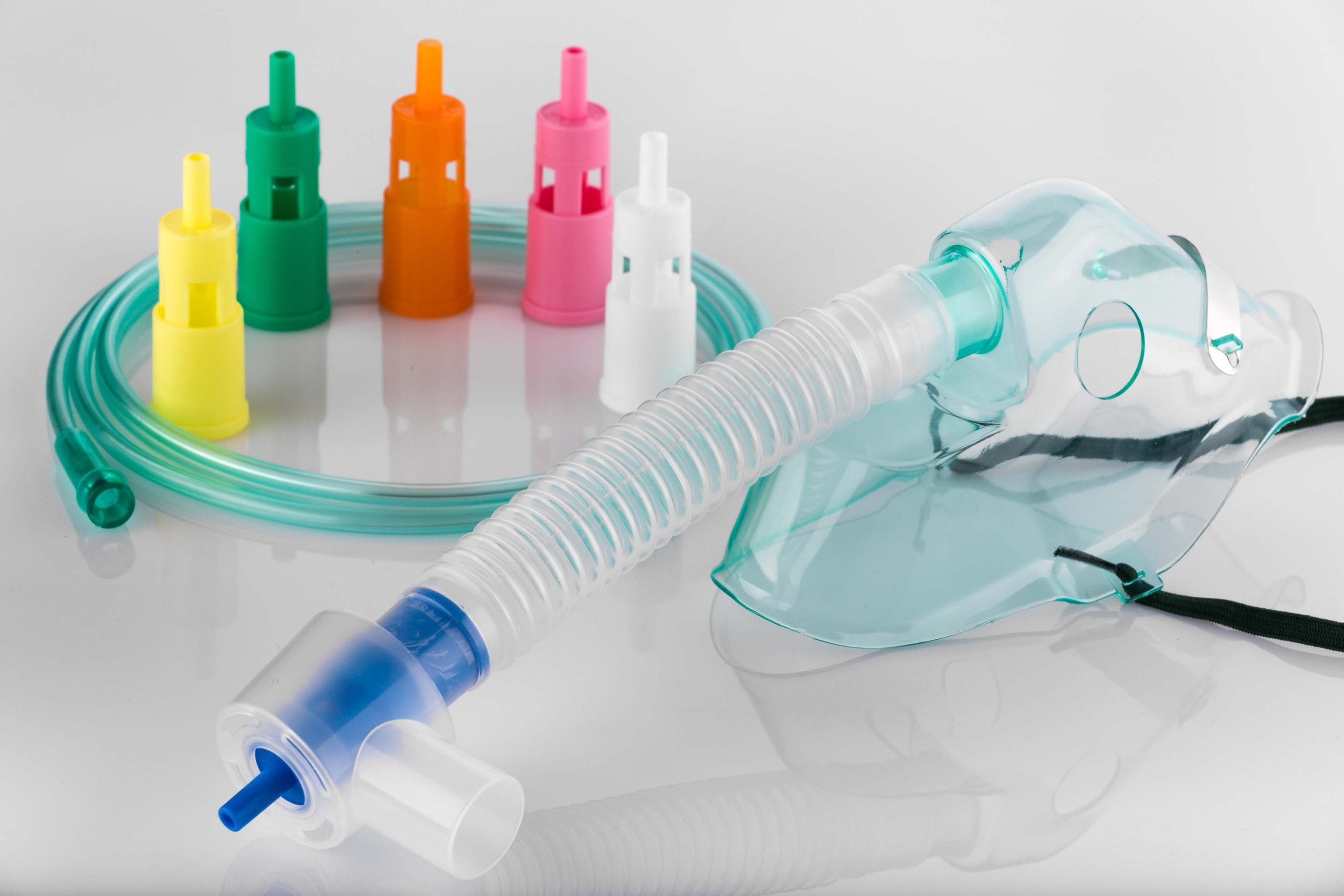
Selecting a hospital equipment supplier should involve more than comparing quotations.
Several factors deserve careful evaluation.
Product Range
A supplier with multiple equipment categories can simplify procurement for hospitals purchasing equipment across several departments.
This can be particularly useful for:
- New hospital projects
- Clinic installations
- Tender procurement
- Bulk medical-equipment orders
- Healthcare expansion projects
Product Specifications
Never purchase medical equipment based solely on a product title or photograph.
Request or review specifications covering relevant parameters such as:
- Model number
- Dimensions
- Weight
- Electrical requirements
- Measurement ranges
- Accuracy
- Patient population
- Included accessories
- Optional accessories
- Certifications or conformity information
Specifications should always be matched to the exact model being purchased.
Quality and Regulatory Documentation
Depending on the equipment and destination market, buyers may need product documentation demonstrating conformity with applicable regulatory and quality requirements.
Requirements vary between countries and device classes, so procurement teams should determine what documentation is required for their jurisdiction before placing an order.
Spare Parts and Accessories
Availability of replacement components is especially important for equipment intended for long-term use.
Before purchasing, ask whether the supplier can provide:
- Replacement sensors
- Patient cables
- Probes
- Batteries
- Cuffs
- Filters
- Tubing
- Consumables
- Other model-specific accessories
Warranty and After-Sales Support
For higher-value medical equipment, clarify the warranty and support arrangements before purchase.
Questions should include:
- What does the warranty cover?
- How long is the warranty?
- Who handles technical support?
- Are replacement parts available?
- What happens if equipment requires repair?
- Is technical documentation supplied?
These factors can materially affect the total cost of ownership.
Hospital Equipment Procurement for New Healthcare Facilities
Equipping a new hospital or clinic requires careful planning because different departments have different equipment requirements.
A practical procurement process can begin with a department-by-department equipment list.
For example:
General Ward: hospital beds, bedside cabinets, BP monitors, pulse oximeters and general examination equipment.
Emergency Department: patient monitors, stretchers, suction machines, resuscitation equipment and diagnostic devices.
Operating Theatre: patient monitoring, suction equipment, sterilization equipment and appropriate surgical equipment.
Maternity: obstetric beds, fetal and maternal monitoring equipment, newborn resuscitation equipment and bassinets.
ICU: advanced patient monitors, appropriate beds, and respiratory monitoring equipment.
Outpatient Clinic: examination couches, diagnostic sets, BP monitors, stethoscopes, and basic diagnostic equipment.
This approach reduces the risk of purchasing equipment without considering how each department will actually operate.
Hospital Equipment Supply in South Africa
South Africa has one of the continent's largest healthcare markets and can also serve as a procurement and distribution base for healthcare equipment destined for other African markets.
Hospitals and healthcare organisations purchasing from South African suppliers should still evaluate each product according to its specifications, documentation, warranty, intended use, and compatibility with their clinical requirements.
For buyers elsewhere in Africa, additional considerations may include:
- Freight costs
- Import procedures
- Customs requirements
- Product registration requirements
- Delivery times
- Destination-country electrical standards
- Installation requirements
- Availability of local technical support
These issues should ideally be addressed before the equipment is shipped.
Supplying Hospital Equipment Across Africa
Africa is not a single healthcare market.
Procurement requirements can differ substantially between countries, healthcare systems, and individual projects.
Potential markets for hospital equipment include healthcare facilities throughout:
- Southern Africa
- East Africa
- West Africa
- Central Africa
- North Africa
For cross-border procurement, buyers and suppliers need to establish the destination country's regulatory, customs, and import requirements for the particular medical devices involved.
Hospital Equipment for Government and Tender Procurement
Large healthcare projects may purchase equipment through formal tenders or institutional procurement processes.
Suppliers participating in these opportunities may be required to provide detailed documentation such as:
- Company information
- Product specifications
- Manufacturer information
- Regulatory documentation
- Pricing schedules
- Delivery schedules
- Warranty information
- Technical literature
- After-sales support details
Tender requirements should be followed exactly because documentation standards can vary significantly between purchasing organisations.
Buying Hospital Equipment: Price vs Total Cost
The lowest purchase price is not always the lowest long-term cost.
Consider two pieces of equipment with different initial prices. The cheaper model may become more expensive if it requires difficult-to-source consumables, frequently replaced batteries, or proprietary accessories.
Healthcare buyers should therefore consider the total cost of ownership, including:
- Initial purchase price
- Freight and import costs
- Consumables
- Accessories
- Maintenance
- Replacement parts
- Battery replacement
- Calibration where applicable
- Expected service life
- Training requirements
This is especially important when purchasing multiple units for a hospital or healthcare network.
Why Product Compatibility Matters
Compatibility is an often-overlooked part of medical-equipment procurement.
Before ordering replacement accessories, confirm the exact:
Manufacturer → Model → Accessory → Specification
For example, a patient-monitor sensor that physically resembles another sensor may use a different connector, signal protocol, or calibration.
The same principle applies to:
- SpO₂ probes
- ECG cables
- NIBP cuffs
- Ultrasound probes
- Capnography sampling lines
- Batteries
- Power supplies
- Printer accessories
Confirming compatibility before ordering can prevent expensive procurement errors.
Hospital Equipment Supply from Premium Medical Equipment Innovations
Premium Medical Equipment Innovations provides a broad selection of medical equipment and healthcare supplies for hospitals, clinics, and other healthcare organisations.
Product categories include equipment for:
- Patient monitoring
- Blood pressure monitoring
- Diagnostic examination
- Hospital beds and furniture
- Ultrasound
- Sterilization
- Surgical suction
- Respiratory monitoring
- Neonatal and maternity care
- Mobility and patient transport
- Medical consumables
For buyers seeking hospital equipment supply in Africa, product selection should begin with the clinical requirement and exact technical specification.
Frequently Asked Questions
What equipment does a hospital need?
Hospital equipment requirements depend on the size and services of the facility. Common categories include hospital beds, patient monitors, blood pressure equipment, diagnostic instruments, sterilizers, suction machines, respiratory equipment, emergency equipment, and medical consumables.
Where can I buy hospital equipment in Africa?
Hospital equipment can be purchased from medical equipment suppliers and distributors serving individual African markets. Buyers should evaluate product specifications, regulatory requirements, warranty, spare parts, delivery, and after-sales support before purchasing.
What should I check before buying medical equipment?
Check the exact model, technical specifications, intended patient population, included accessories, power requirements, documentation, warranty, consumable availability, and compatibility with the intended clinical application.
Can hospital equipment be supplied from South Africa to other African countries?
Cross-border supply may be possible depending on the product and destination, but import, regulatory, customs, and device-registration requirements need to be checked for the destination country.
What is the difference between medical supplies and hospital equipment?
Hospital equipment generally refers to durable devices and furniture such as patient monitors, hospital beds, sterilizers, and ultrasound machines. Medical supplies can also include consumable products that require regular replenishment.
How do I choose a hospital equipment supplier?
Compare suppliers based on product quality, technical specifications, range, documentation, warranty, spare-parts availability, delivery capability, and after-sales support—not price alone.
Can I buy hospital equipment in bulk?
Many medical equipment suppliers support institutional and bulk procurement. Hospitals, clinics, NGOs, distributors, and tender buyers should request a quotation based on the required models, specifications, quantities,s and delivery destination.
Where can I find hospital equipment suppliers in South Africa?
South Africa has suppliers serving hospitals, clinics, and other healthcare organisations. Buyers should compare suppliers according to their required equipment category, product documentation, technical support, and delivery requirements.
Conclusion
Reliable hospital equipment supply in Africa depends on more than simply having products available. Hospitals and healthcare organisations need equipment that matches their clinical requirements, patient populations, infrastructure, and long-term operational needs.
From hospital beds and patient monitors to diagnostic equipment, autoclaves, surgical suction machines, ultrasound systems, neonatal equipment, and everyday medical supplies, procurement decisions should be based on verified technical specifications and total cost of ownership.
Premium Medical Equipment Innovations supplies a broad range of healthcare and hospital equipment for hospitals, clinics, medical practices, and healthcare procurement organisations.
For hospital projects, bulk requirements,s and equipment enquiries, buyers can request information based on the required product, model, quantity, and delivery destination.